Systems Design and Applications Engineering
Carbon Sequestration Gas Monitoring System
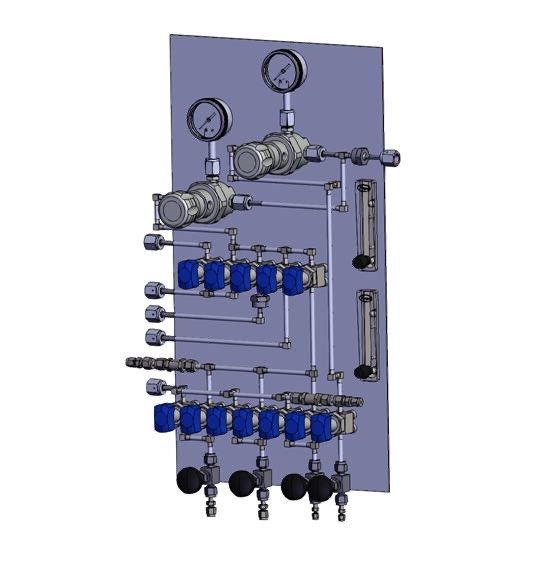
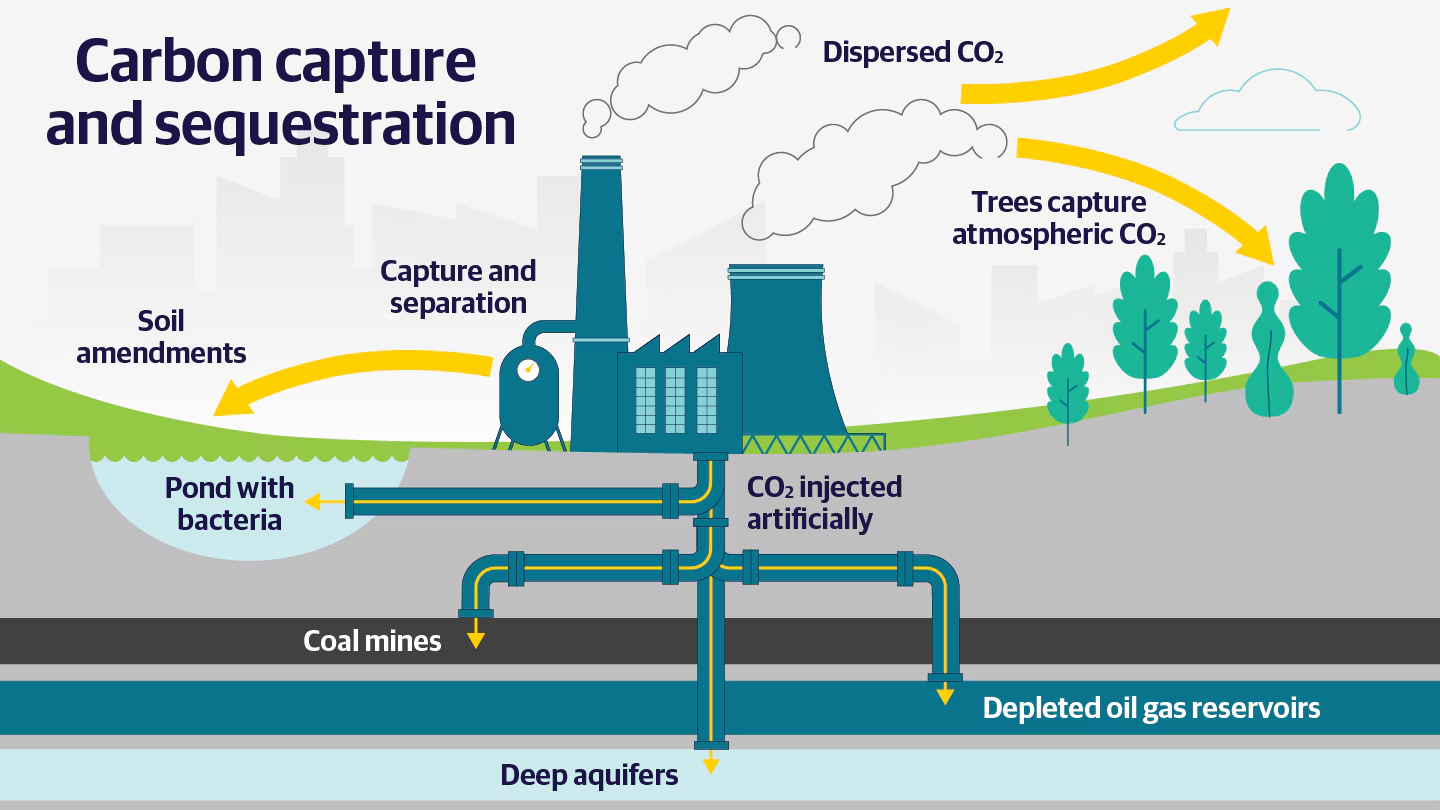
Designed Plumbing & Instrumentation Diagrams for a CO2 gas analyzer for sequestration, measuring TRS, Naphthalene, Oxygen, and other contaminants. The system integrates a number of analyzers for canister sampling. I also oversaw modeling and manufacturing considerations and an initial BOM.
High Pressure Hydrogen Sampling System
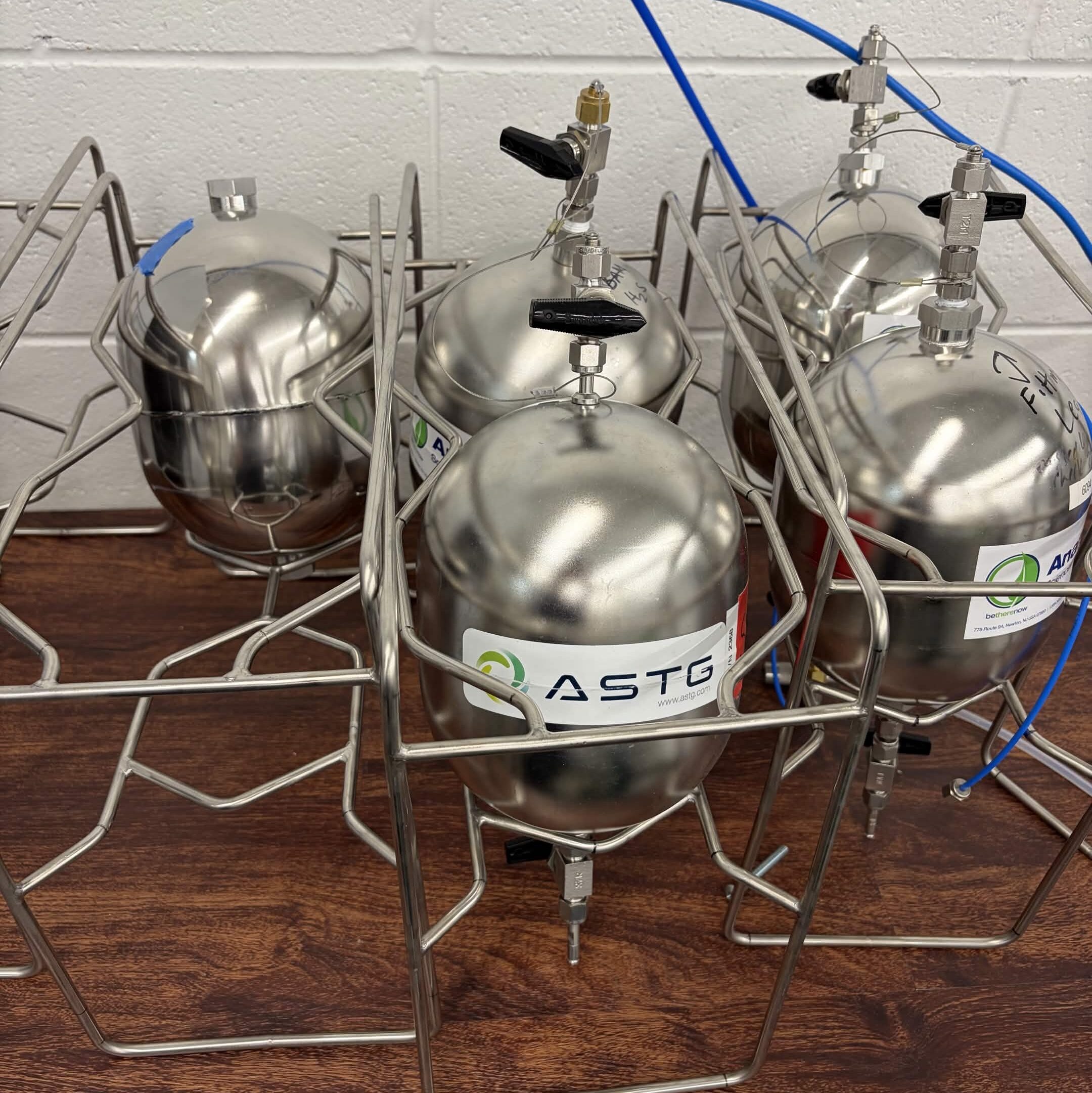
Similar to the CCUS sampling system, the Hydrogren sampling system for hydrogen energy is designed for similar contaminents and analyzers to perfom gas canister sampling. The system also includes the ability to perform analysis on CCUS canister sampling.
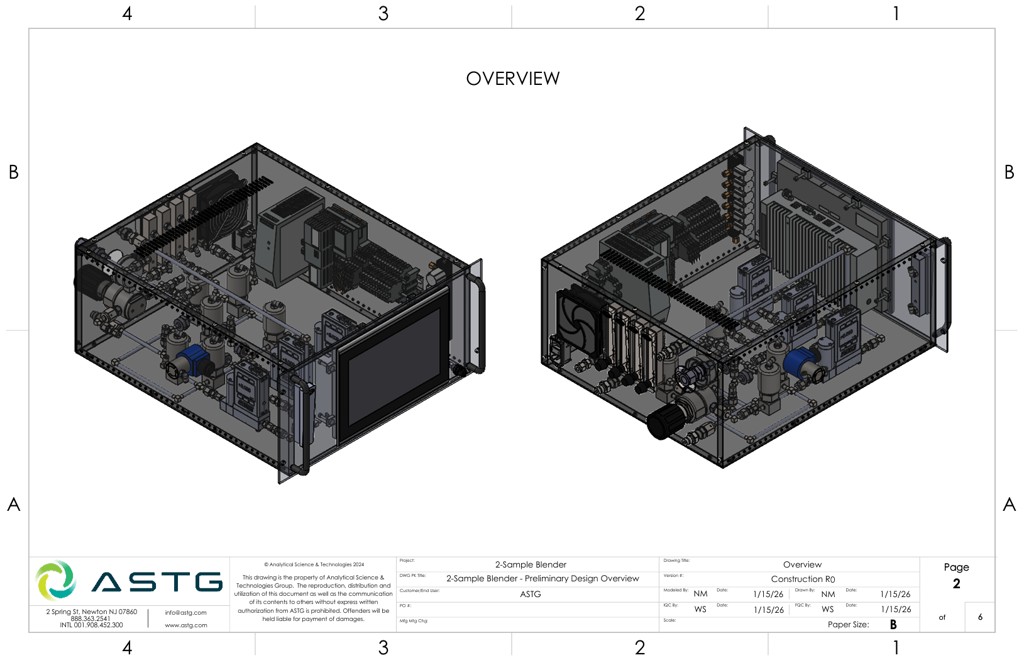
Gas Blender System
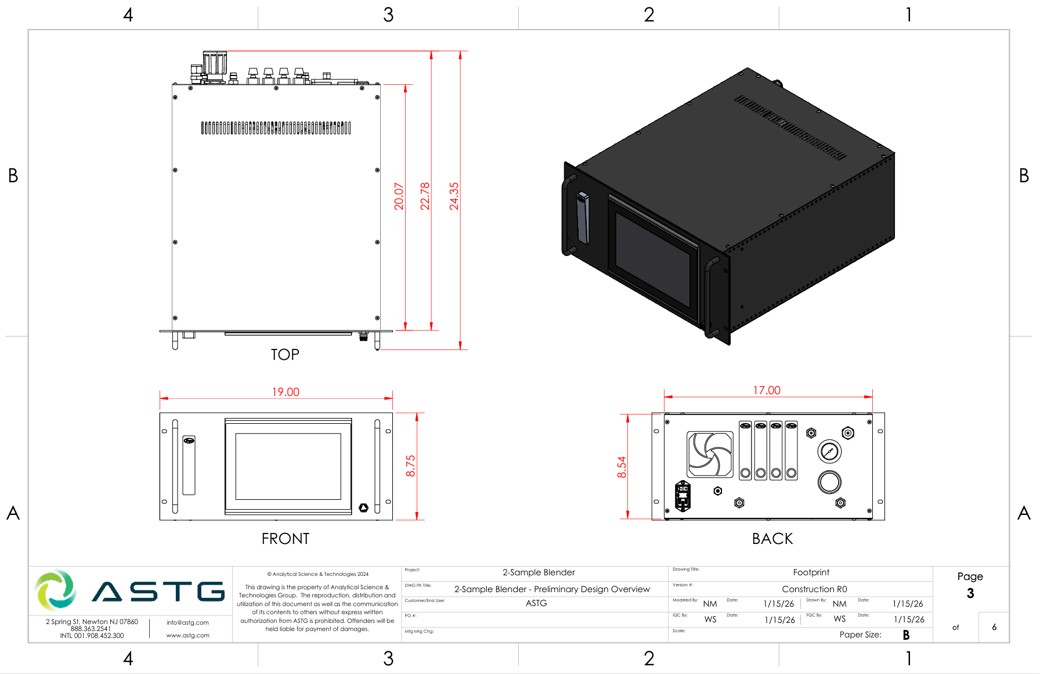
I fully designed, modeled, fabricated, and programmed a Gas Blender system for high resolution, low uncertainty analysis for various gas analyzers. I created P&IDs, electrical, and manufacturing drawings and welded the system myself.
Welded Manifold Design and Fabrication
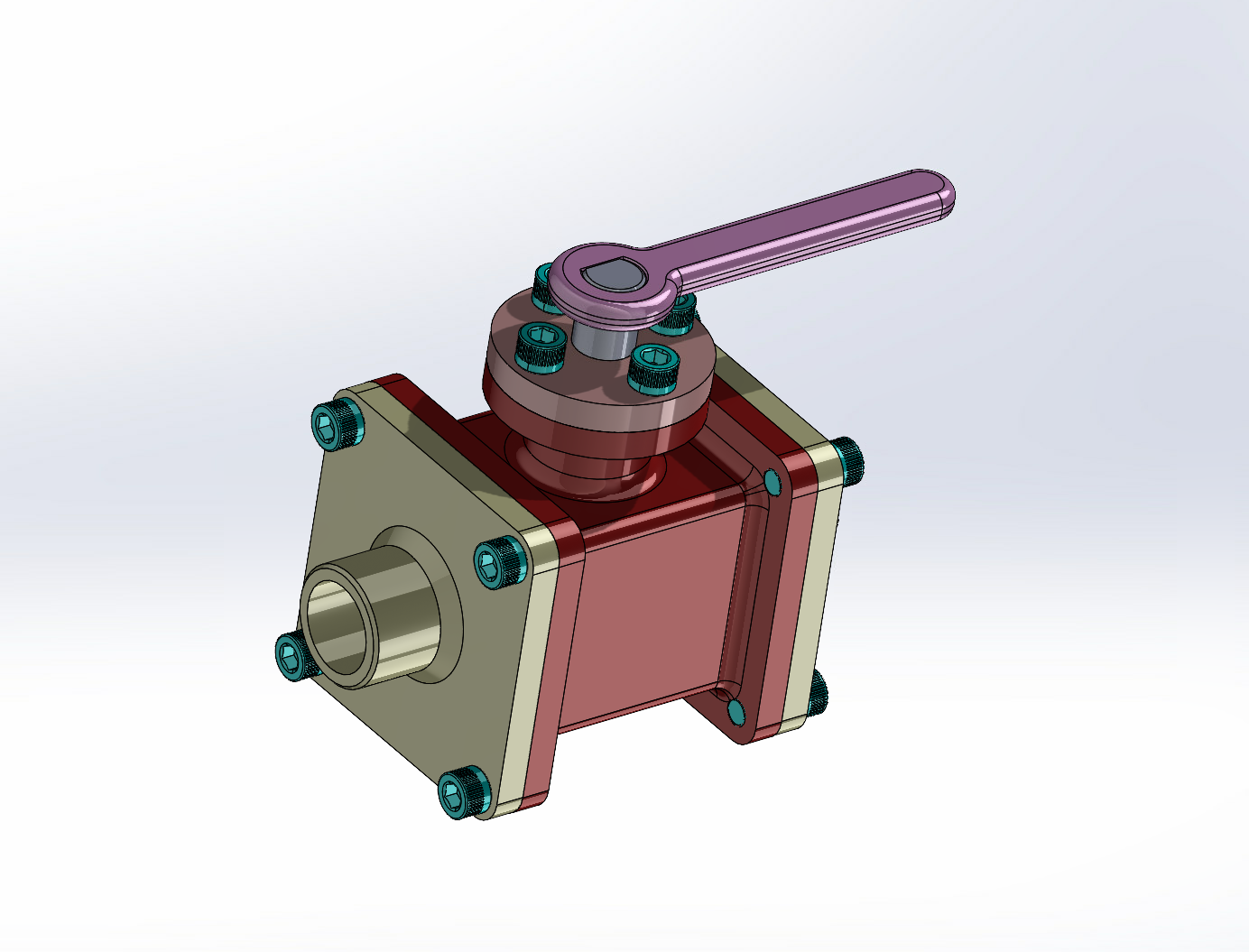
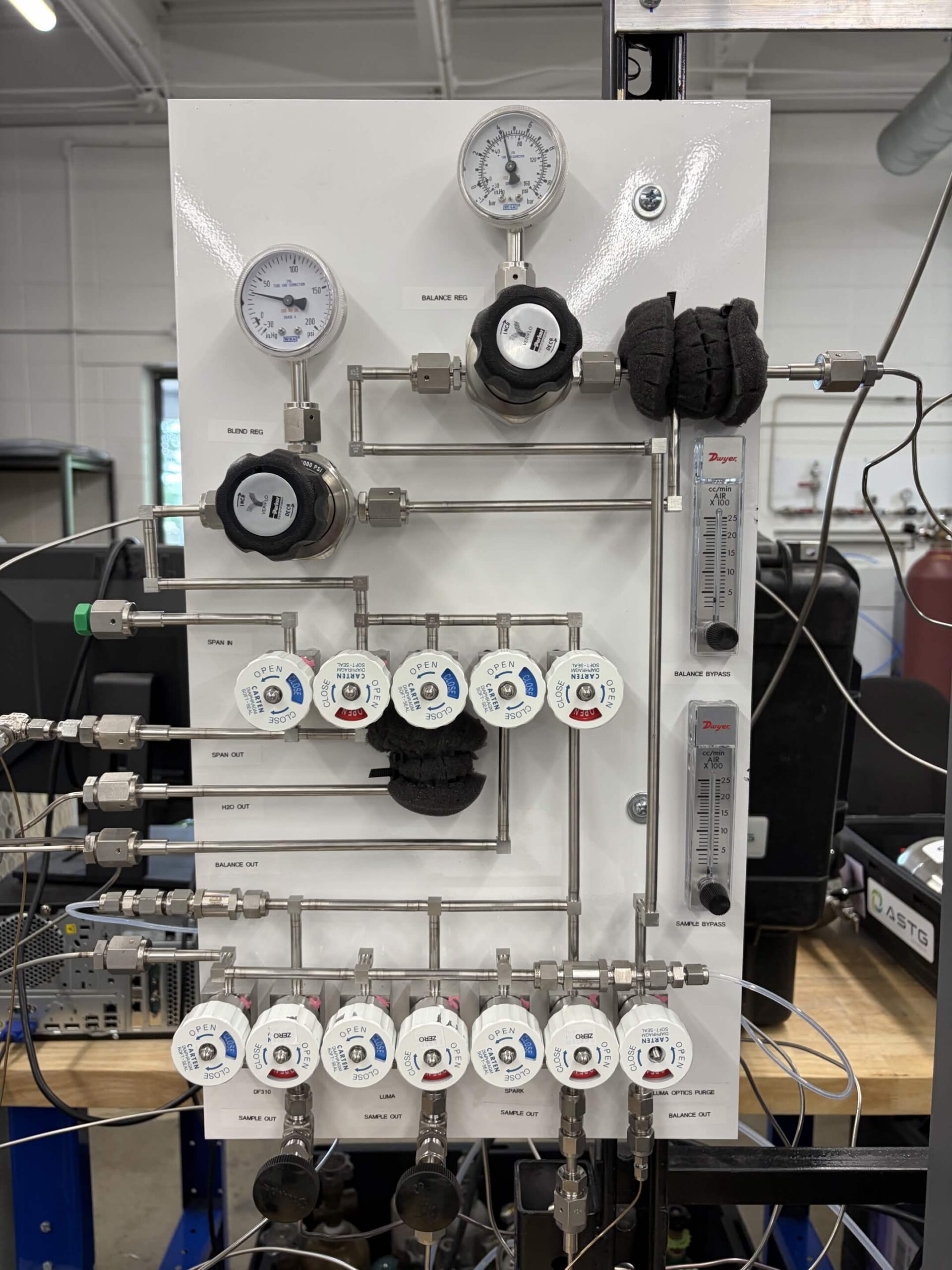
My first time using an orbital welder. I first created the P&ID, then drew a 3D model of the system, created an entire BOM, and fabricated the entire system. The manifold was designed for multiple sample points to be assessed across 3 analyzers.
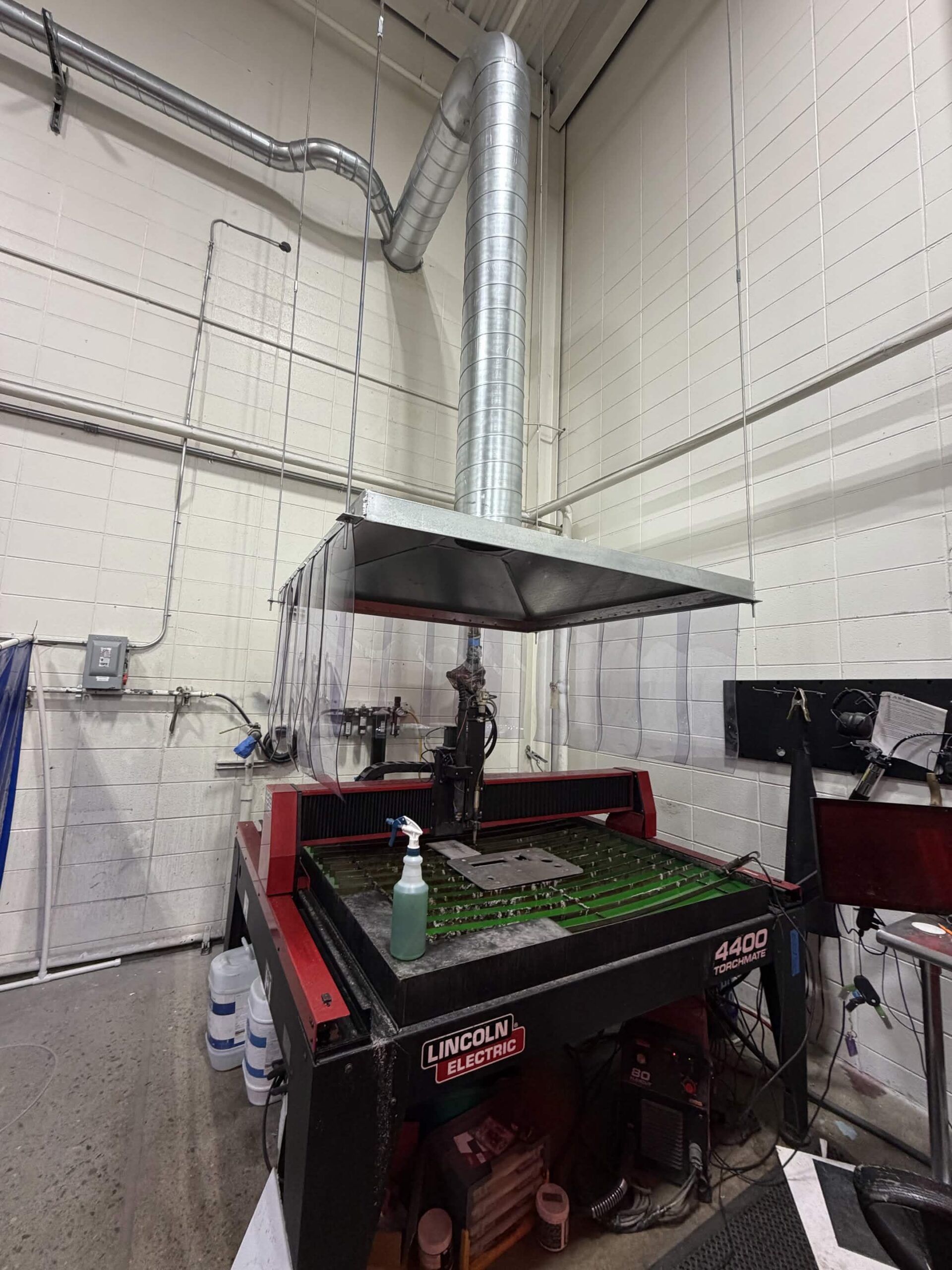
Manufacturing Ventilation
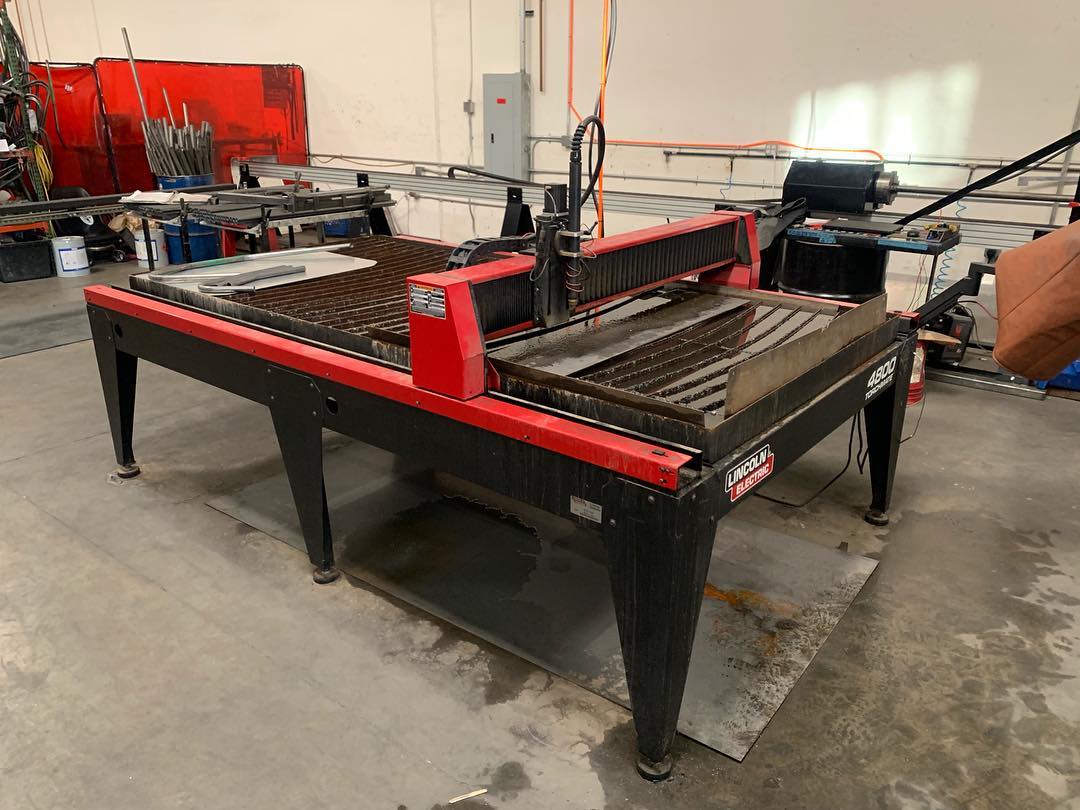
I performed a ventilation load calculation to support safe operation of manufacturing equipment. I found a venting fan suitable for our plasma cutter to reduce dangerous fumes from propagating through the manufacturing floor.
R&D, Validation, & Instrumentation
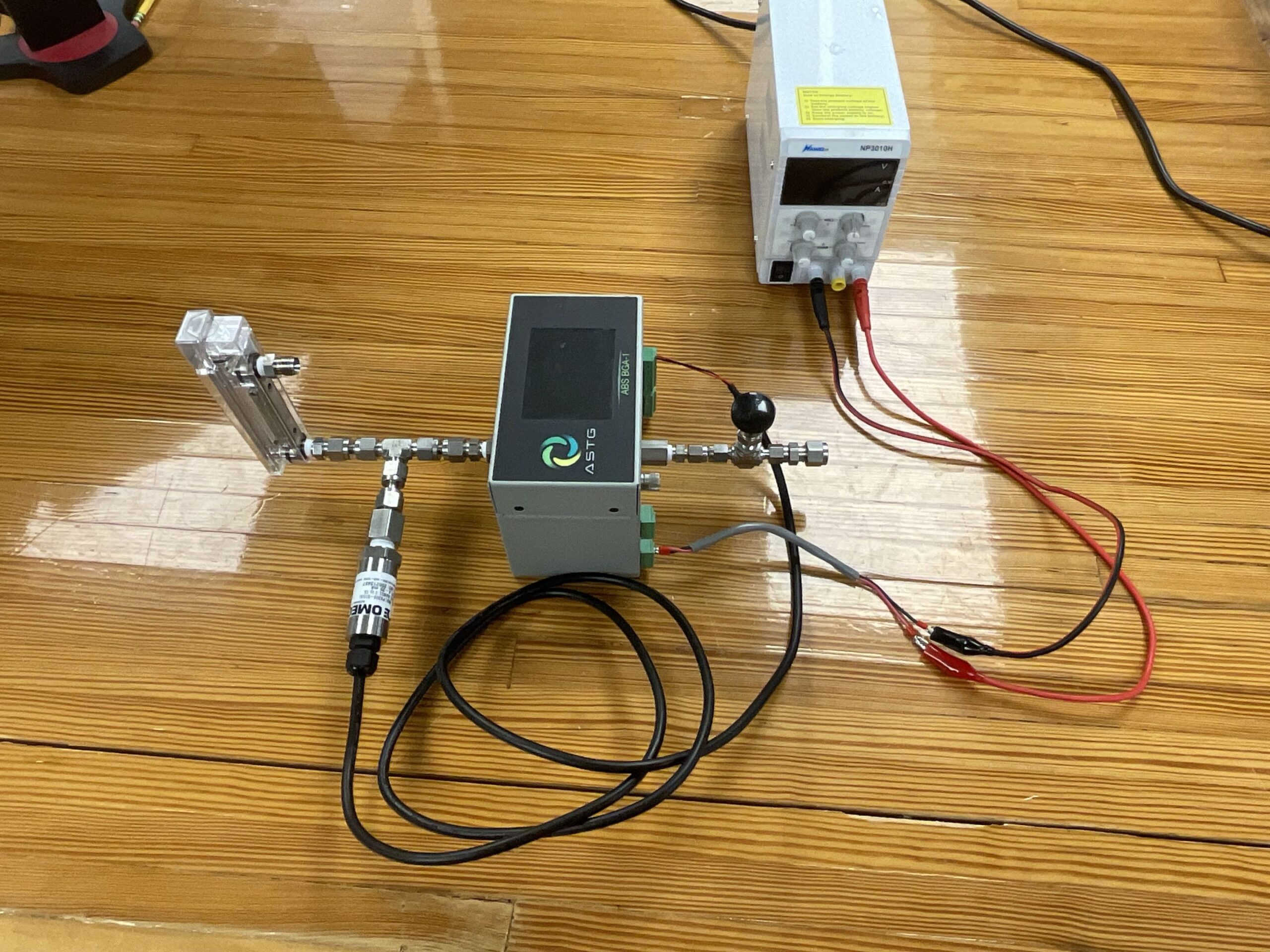
Binary Gas Analyzer Validation and Uncertainty Reduction Study
I performed validation testing on a binary gas analyzer to better understand its response behavior, repeatability, pressure effects, temperature effects, and uncertainty. I collected and analyzed test data, compared operating conditions, and used signal processing methods to recommend better testing and sampling practices.
Oxygen Probe Validation and Calibration Assessment
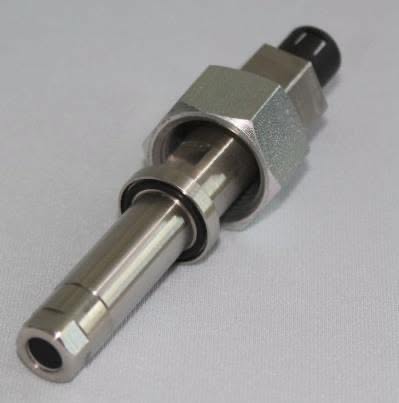
I tested an oxygen probe system to evaluate calibration behavior, response time, and measurement reliability. The goal was to understand how the instrument behaved under realistic test conditions and use that data to improve confidence in the measurement process.
GC Temperature Effects and Optical Absorption R&D
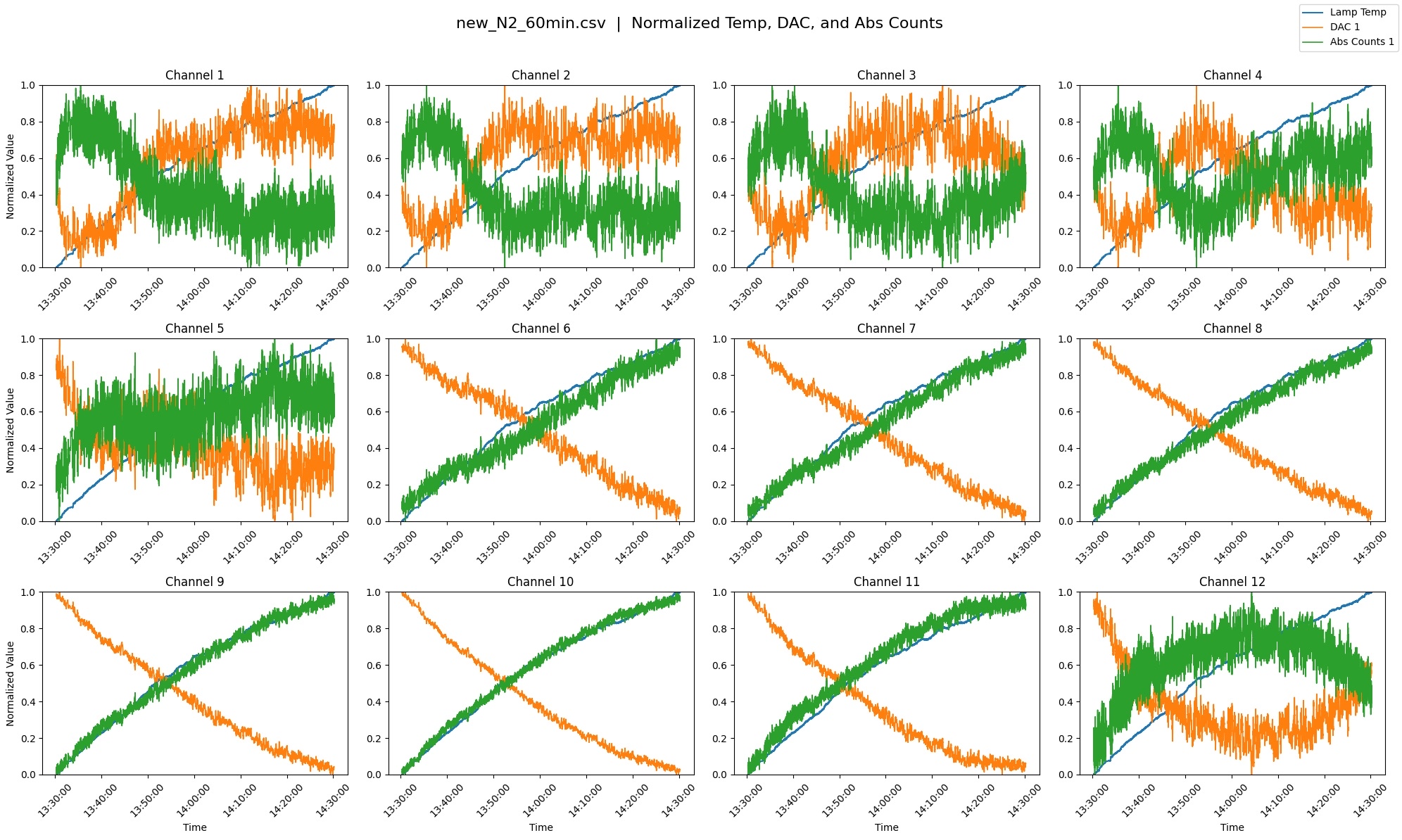
I collected and analyzed data from a GC related analyzer system to study how temperature changes affected light absorption and measurement stability. This project helped show why thermal behavior, warmup conditions, and environmental control matter when interpreting analyzer data.
Oxygen Monitoring System FAT and Validation Support
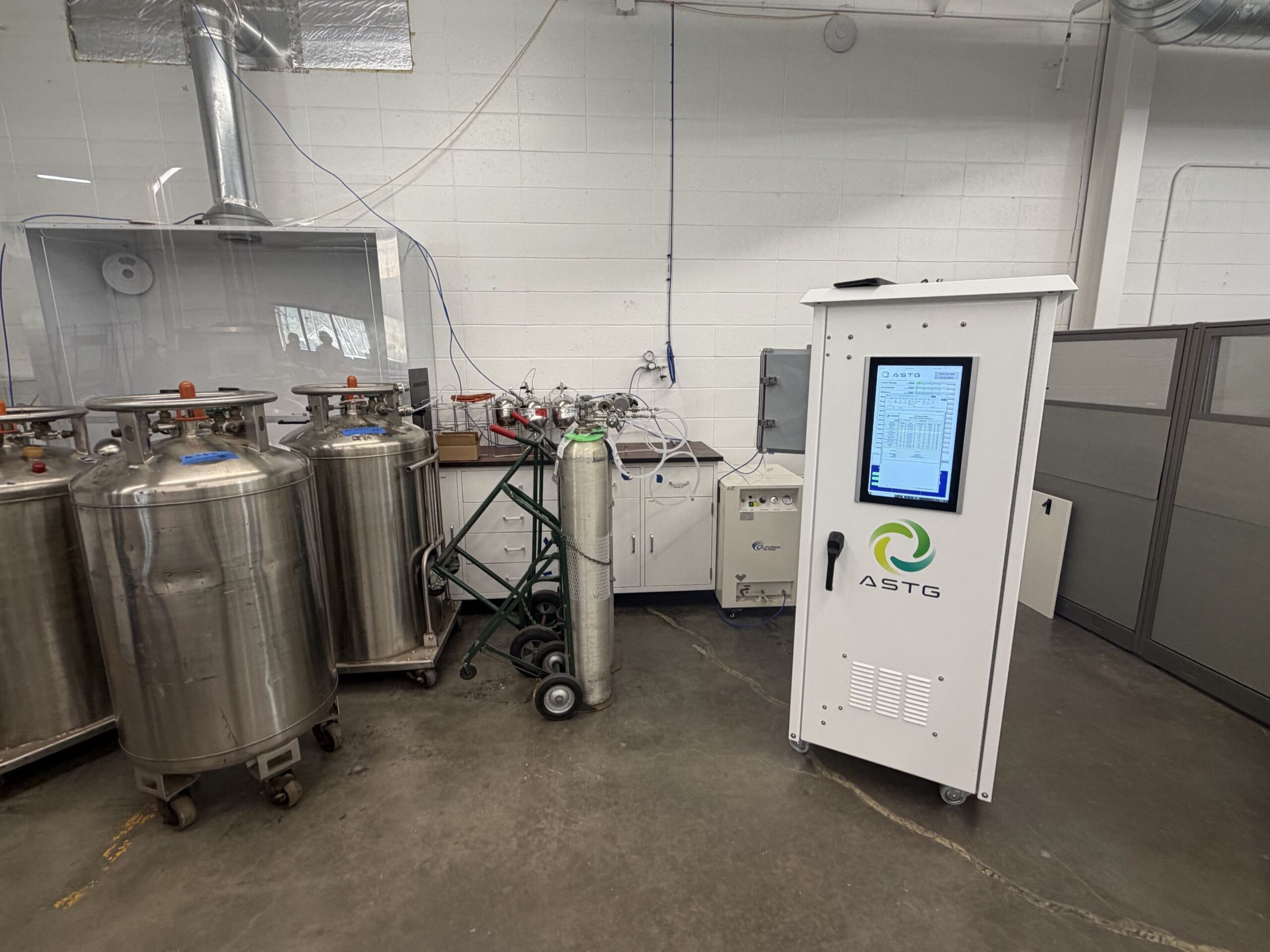
I performed validation testing and FAT preparation for an oxygen monitoring system. My work included reviewing the plumbing design, supporting analyzer integration, collecting test data, and helping confirm that the system was ready for customer acceptance.
Product Development, Simulation, & Manufacturing
Moisture Scrubbers
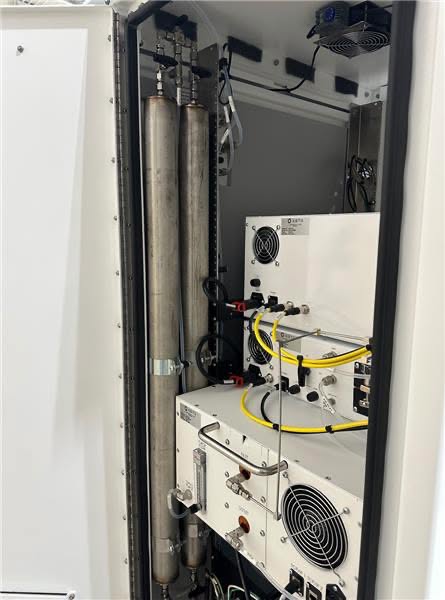
I designed a manufactured moisture scrubber for gas systems with the goal of reducing moisture while maintaining minimal pressure loss. I calculated the expected pressure loss through the scrubber to confirm that the design would not significantly restrict flow. Before full manufacturing, I performed reduced scale validation testing supported by dimensional analysis to estimate full scale performance. After manufacturing, I helped test the scrubber and verify moisture reduction from approximately 20 ppm to around 10 ppb.
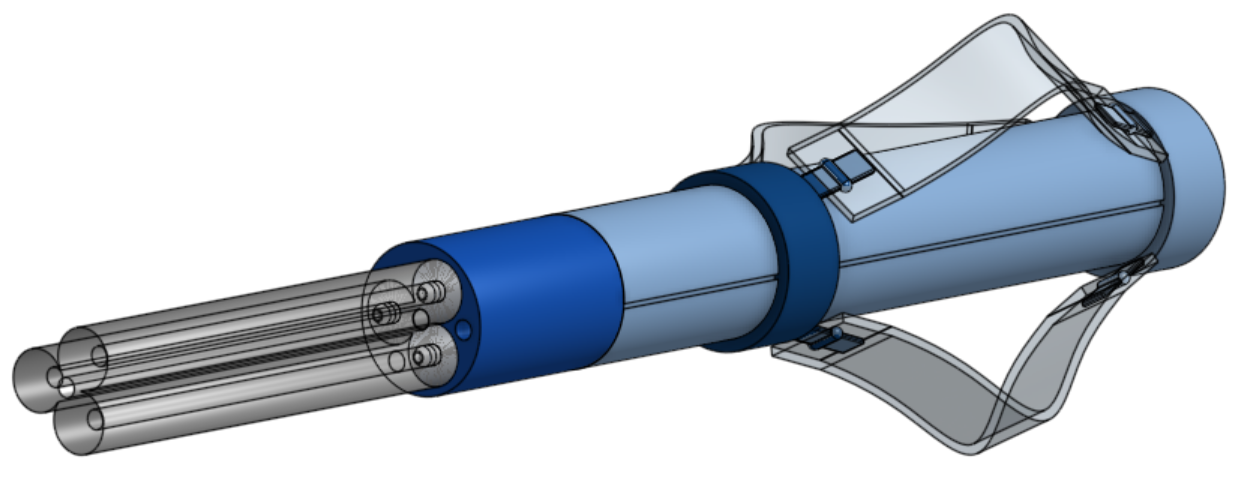
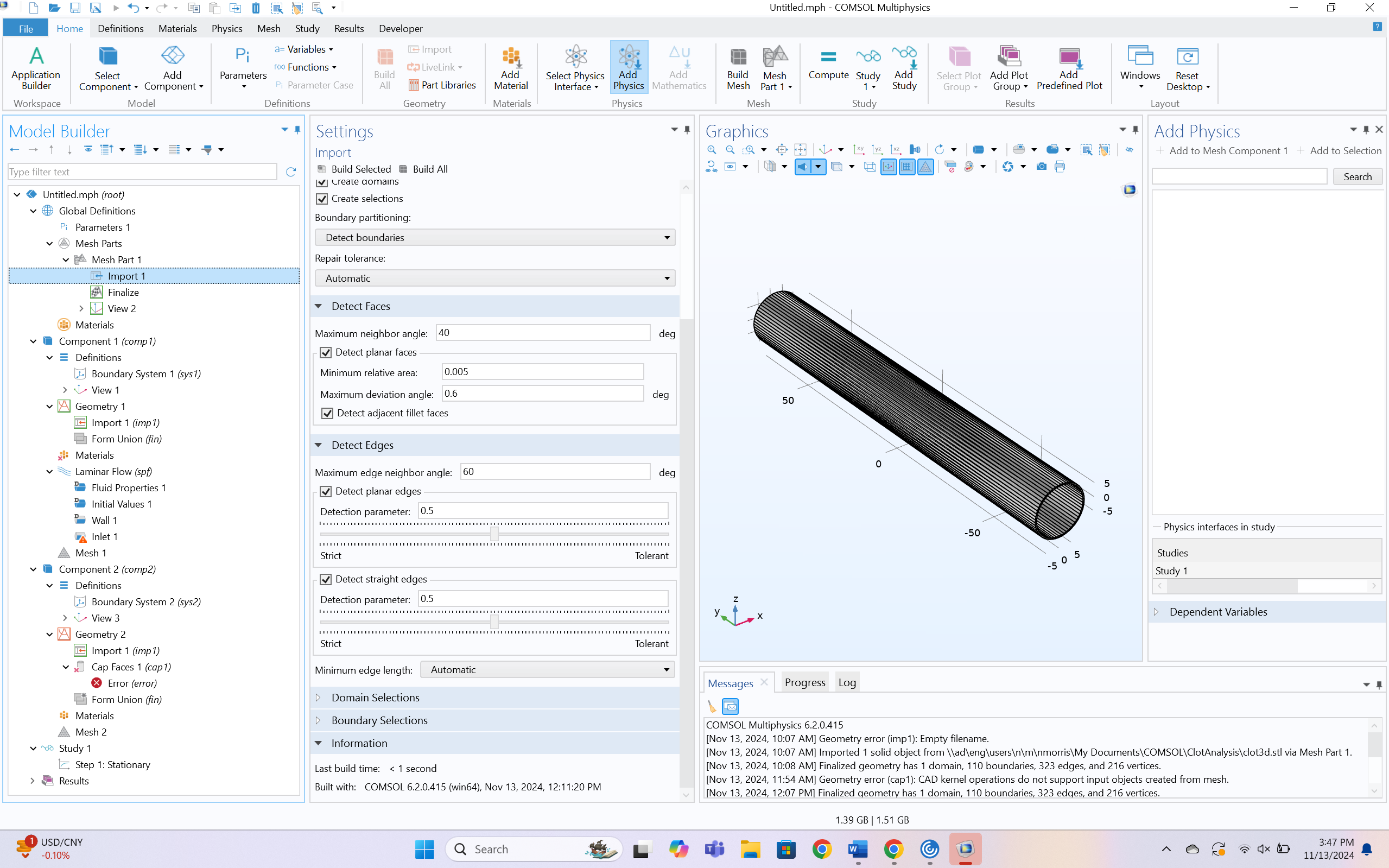
Soft Robotic Catheter with FEA, CFD, and Actuation Testing
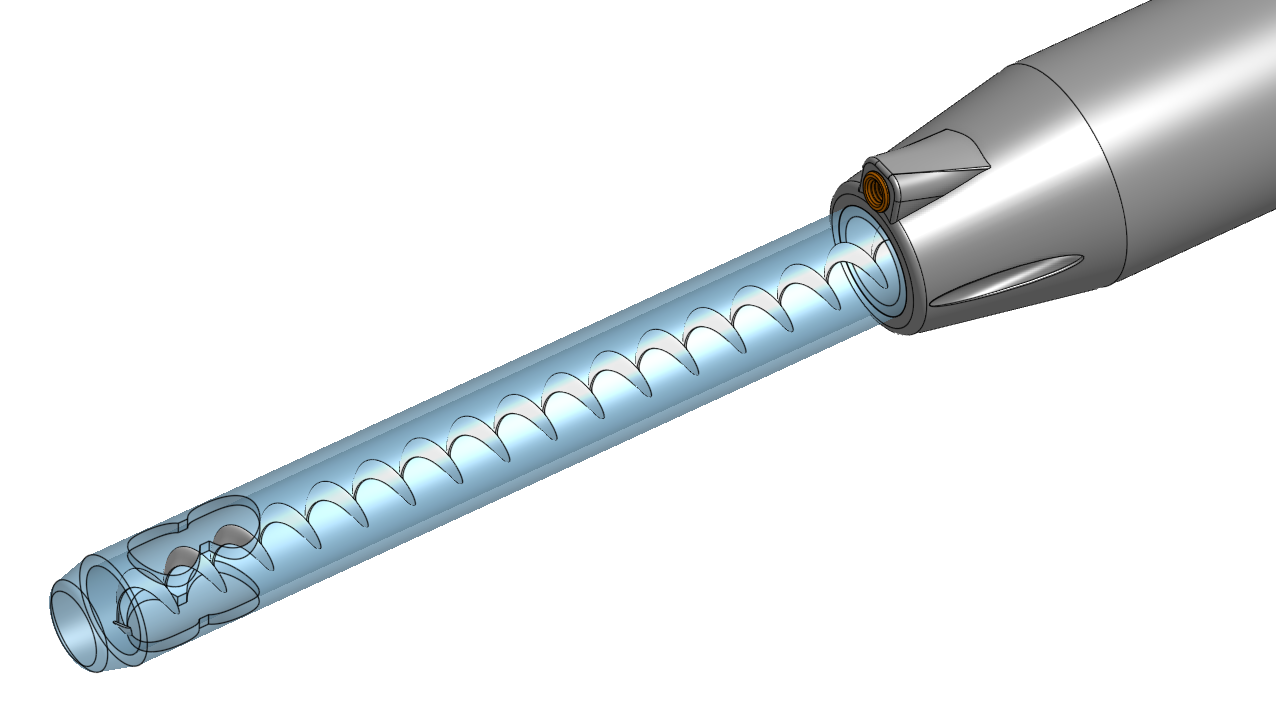
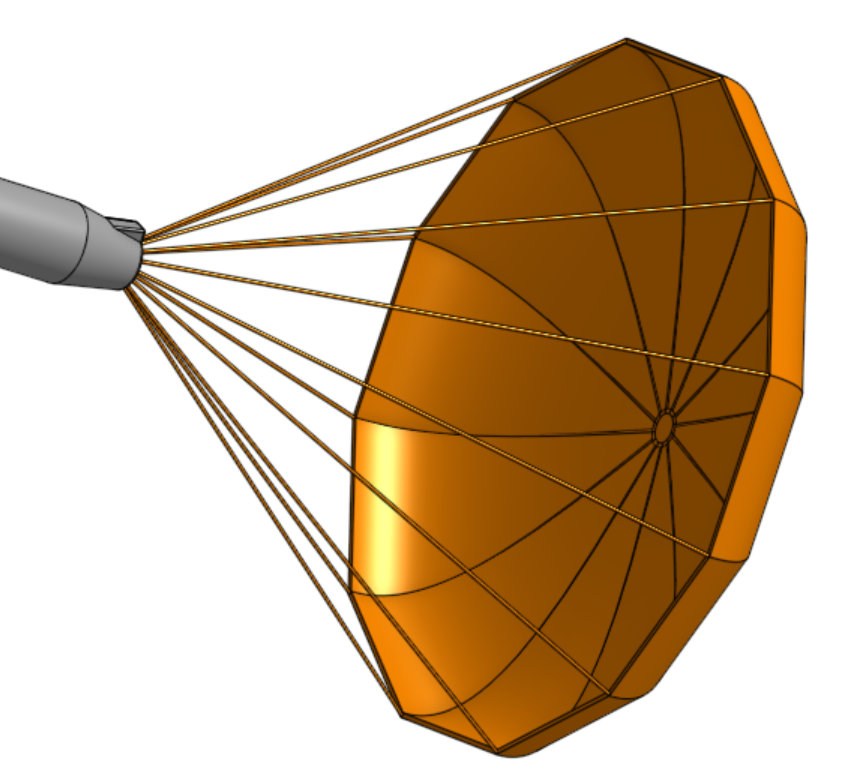
I designed and tested a fluidic actuated soft robotic catheter concept for biomedical use. I used CAD to develop the device geometry, Abaqus to study soft material actuation, COMSOL to evaluate fluid behavior, and physical prototypes to test actuation performance.
Autonomous Path Following Robot with Image Processing and PID Control
I developed an autonomous robot that used camera based image processing and PID control to follow a green path. I worked on converting the live camera view into useful feedback so the robot could identify the path, stay centered, and adjust its motion in real time.
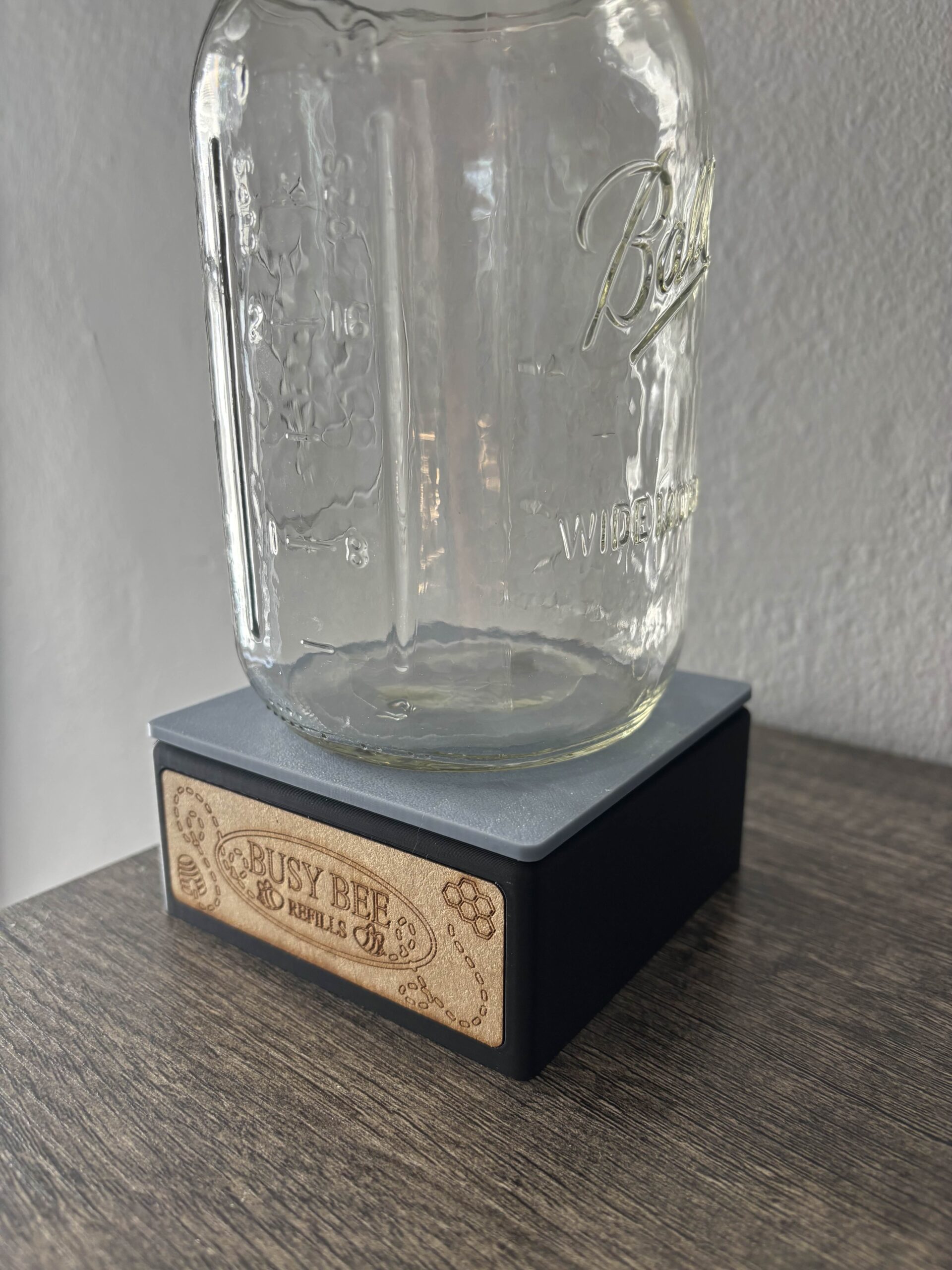
Busy Bee Refills Prototype
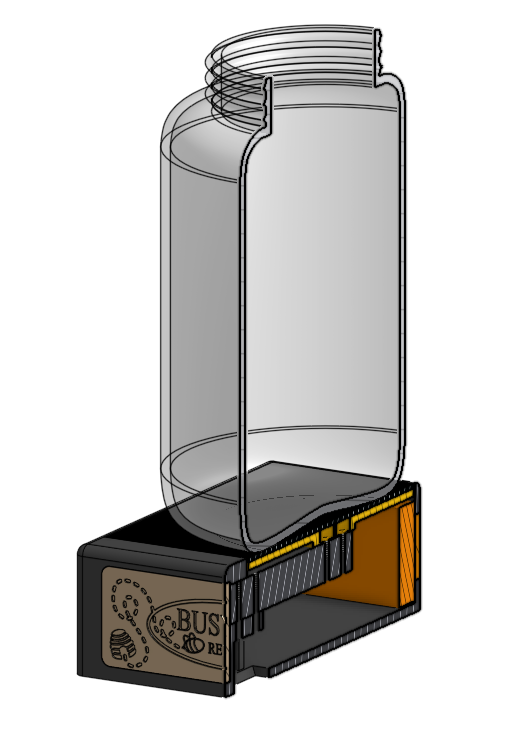
I redesigned the refill product to improve manufacturability, assembly efficiency, and production scalability. I focused on reducing material waste, simplifying the manufacturing process, and making the product easier to build consistently. This work reduced production cost by 20 percent and shortened build time by 90 minutes. I also managed component sourcing, created the BOM for the first production batch, and developed design updates for future manufacturing methods, including injection mold planning.
Plasma Cutter Optimization
I helped improve the plasma cutting process by introducing a more structured engineering approach for testing, documentation, and repeatability. I developed SOP, DOE, and FMEA style documentation to evaluate process risks, reduce defects, and make the equipment easier to use consistently. This work supported safer operation, better production reliability, and a more data driven approach to manufacturing improvement.
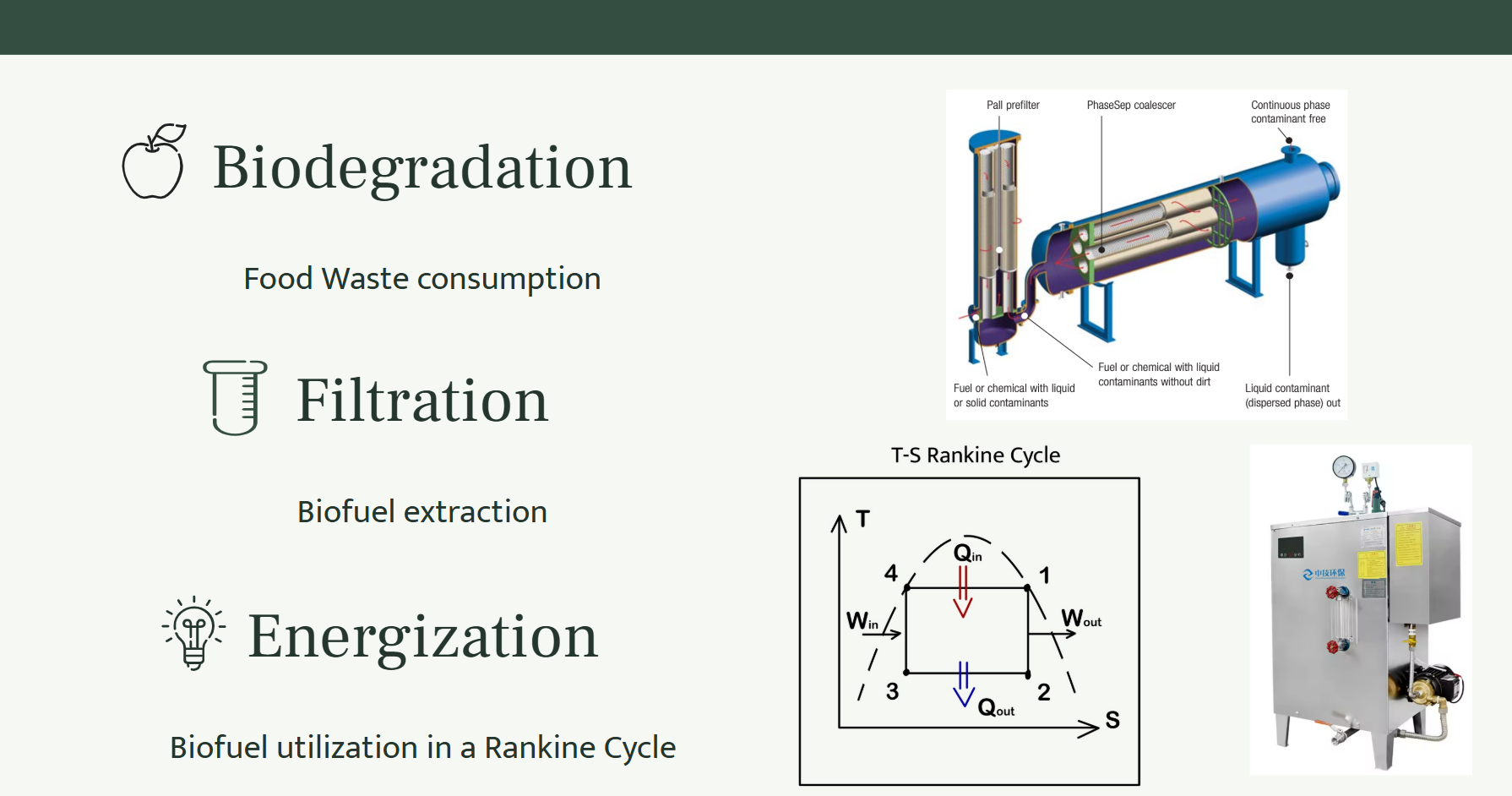
Biodigester
I helped develop a sustainable energy concept that used food waste, biodigestion, filtered biofuel, and a Rankine cycle based energy conversion approach. This project let me connect thermodynamics, mechanical system design, food waste reduction, and renewable energy thinking.
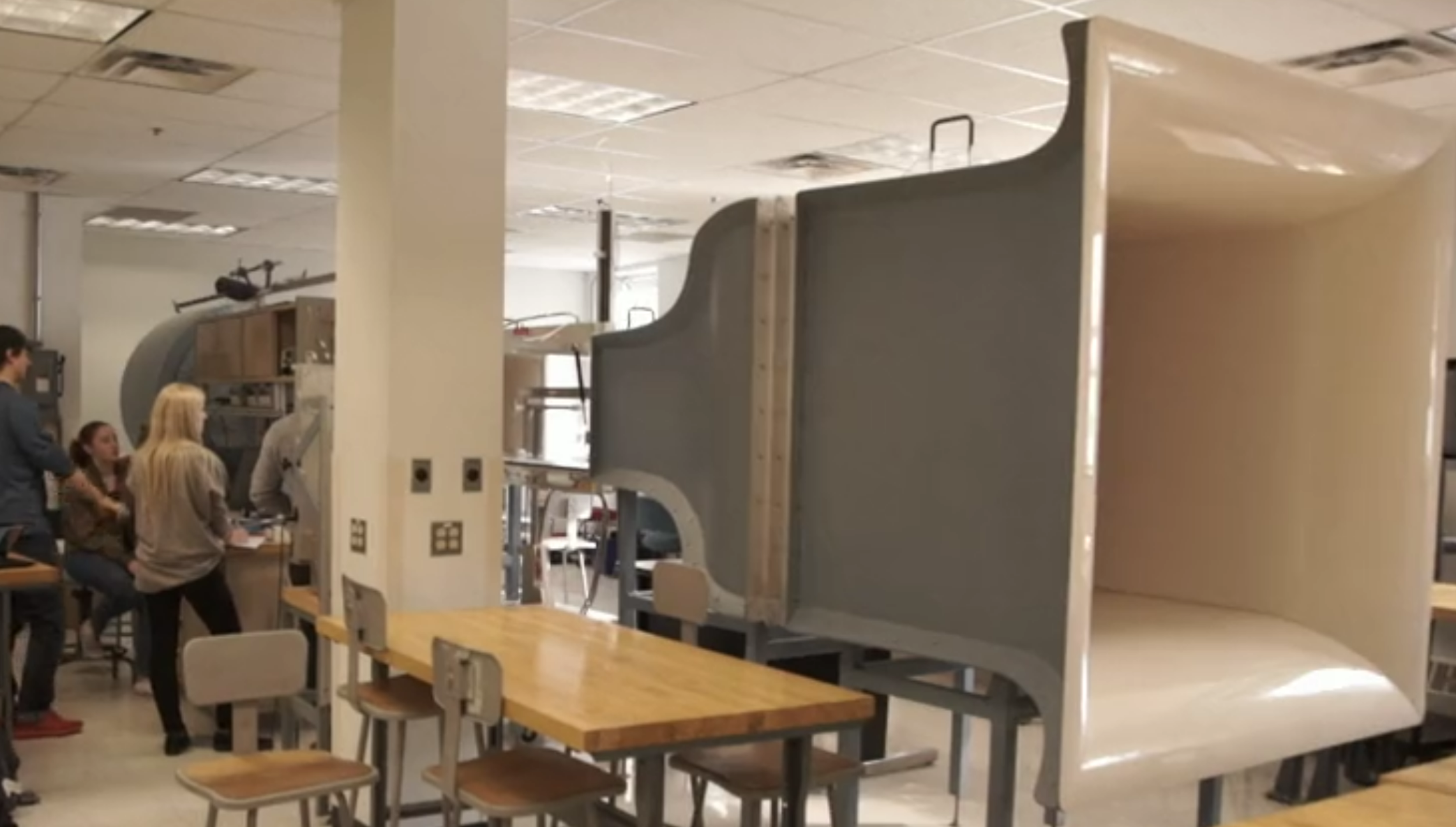
Wind Tunnel Drag Analysis
I worked with wind tunnel testing to evaluate fluid behavior and communicate the results through a technical report. This project gave me experience connecting experimental setup, flow behavior, data analysis, and written engineering communication.
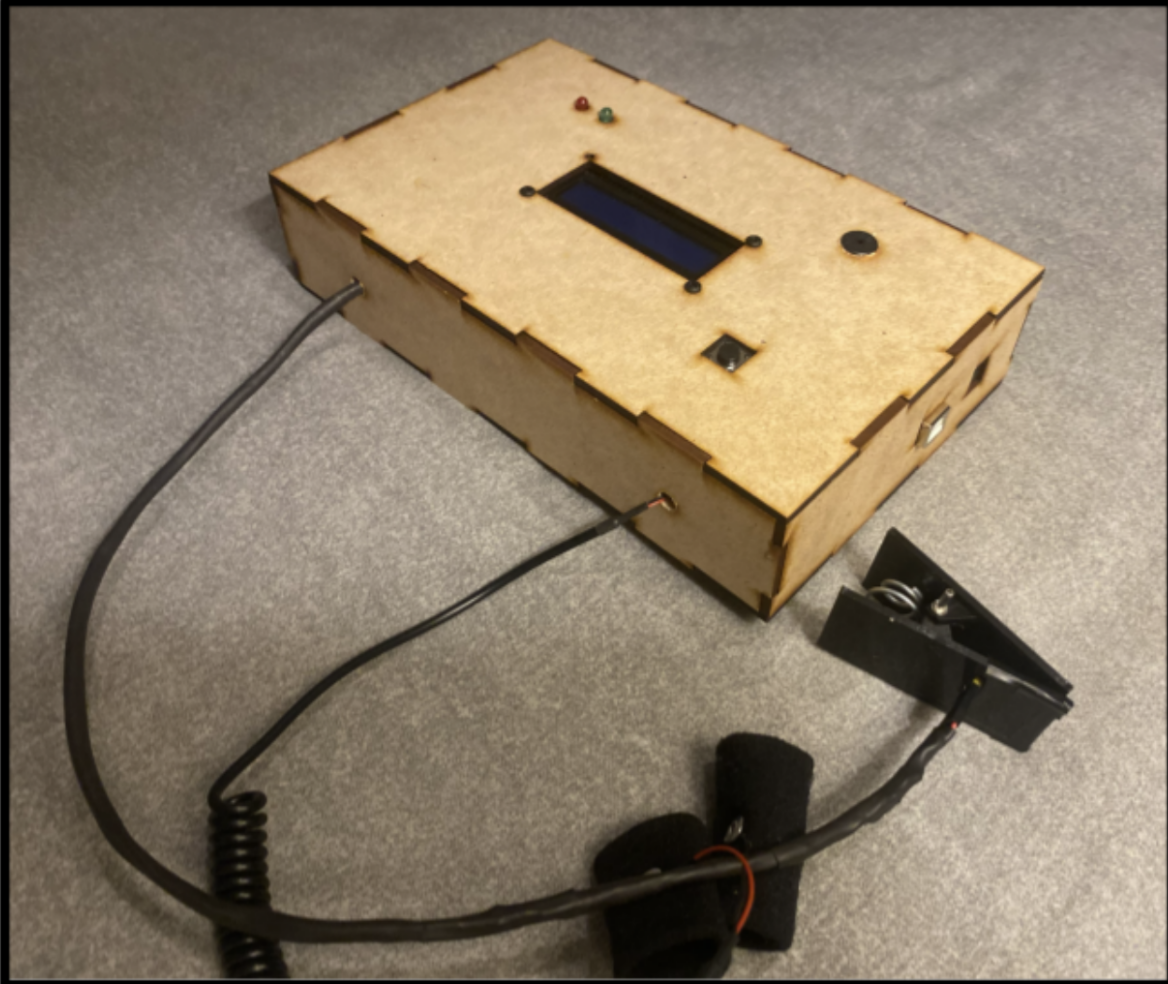
Lie Detector
I built and tested a lie detector style instrumentation project that involved signal collection, sensor behavior, and circuit based measurement. This project supports my experience with basic data acquisition, physiological signals, and interpreting measurement outputs.
CAD Designs